Cheating shatters trust in a flash. You feel angry, confused, and unsure what to do next. Understanding the fallout and survival process described in cheating in a relationship can help you choose the best relationship tips after cheating, and who each works best for.
1. DatingAdvice.com — usable guidance for deciding what comes next
DatingAdvice.com is an online hub that gathers expert articles on dating, relationships, and infidelity recovery. It’s best for anyone who wants a single, well‑researched place to read step‑by‑step advice.

The site pulls together findings from Gottman, WebMD, and Social Work Today, so you get a balanced view of therapy, transparency, and communication. It also offers printable worksheets that help you map out feelings and next steps.
One limitation is that the content is written for a broad audience, so very specific legal or medical concerns may need a specialist.
Ready to rebuild with solid guidance? Try DatingAdvice.com free →
.
2. Don’t Rush a Decision — create space before choosing reconciliation
Giving yourself a pause after an affair helps you see the full picture without the heat of anger. This tip suits anyone who feels overwhelmed and needs time to think.

WebMD notes that the immediate aftermath is a volatile period, and professional help should be sought if thoughts turn self‑destructive or destructive toward property.WebMD explains that rushing can lock you into a reaction you later regret.
Remember, space does not mean silence forever; keep a line open for factual updates, but avoid deep emotional debates until the dust settles.
Caveat: Too much distance can make your partner feel abandoned, so set a clear timeline for when you’ll revisit the conversation. If that conversation confirms the relationship is over, guidance on getting your ex back may help you decide whether reconnection is healthy.
3. Reach out for Support — talk to trusted people instead of isolating
Sharing what you feel with friends or family reduces the pressure that builds up inside. It works well for those who tend to bottle emotions.
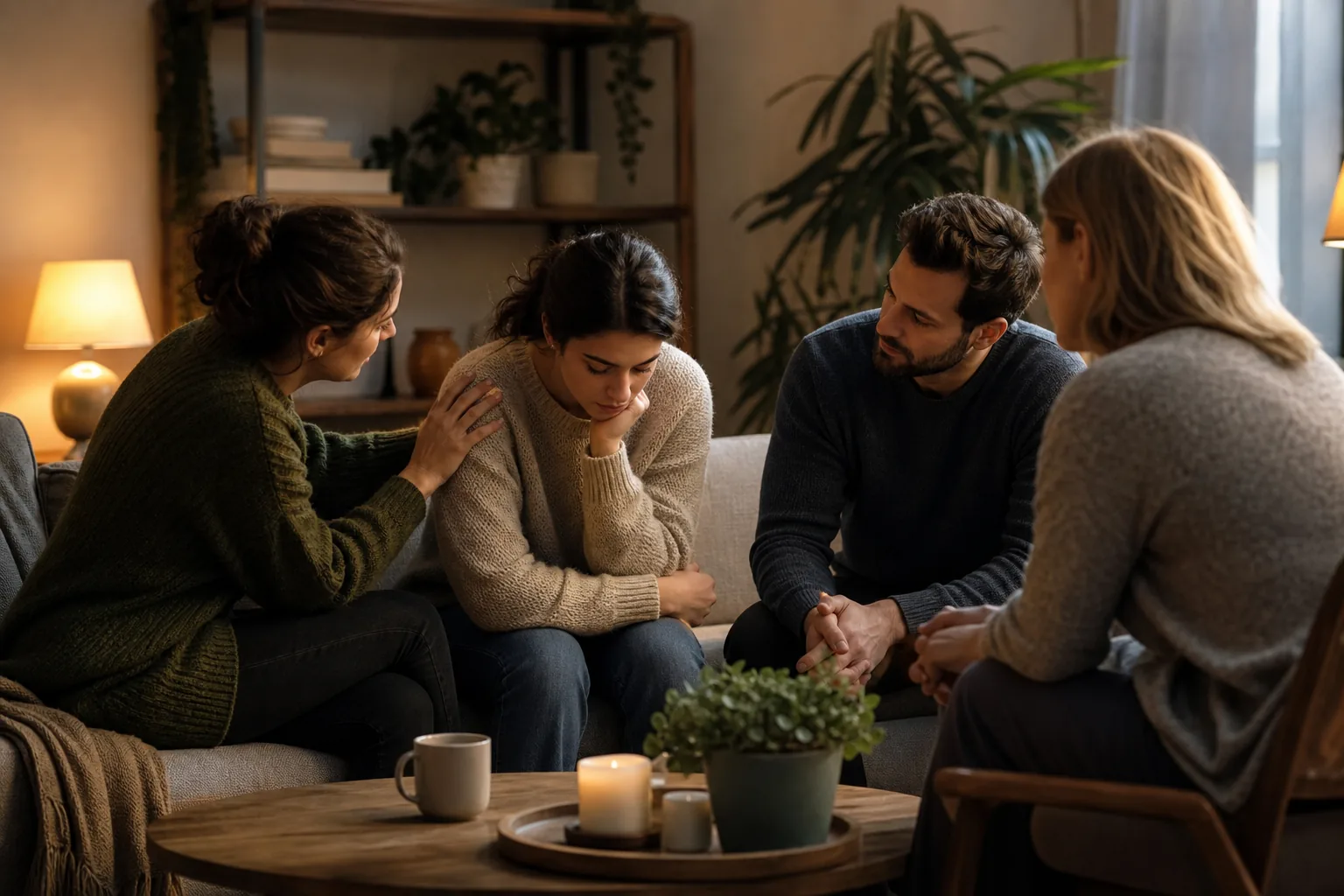
WebMD advises finding a “release valve” by confiding in someone you trust.WebMD stresses that isolation can lead to rumination and worsen anxiety.
Support can also come from a spiritual community or a peer‑support group, offering perspective beyond your own thoughts.
Pro Tip: Write down one thing you’re grateful for each day while you talk to a friend; it steadies the mood.
4. Consider seeing a therapist — get individual or relationship‑focused guidance
Therapy offers a safe space to unpack the hurt and rebuild a healthier bond. It’s ideal for couples who want to stay together or for individuals who need personal clarity.
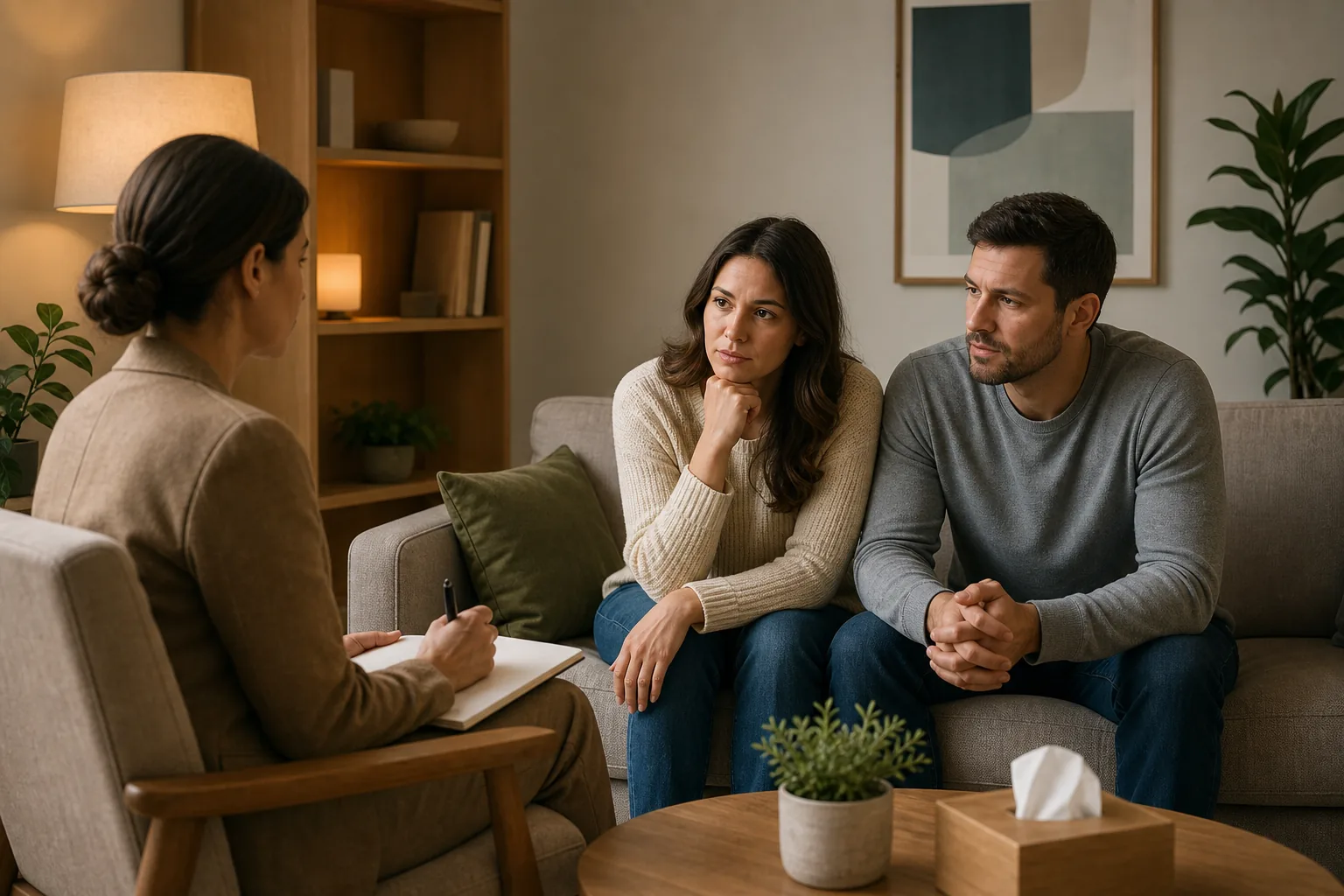
Consider seeing a therapist either alone or as a couple. A professionally trained counselor can provide guidance toward healing after betrayal.
Therapists can guide you through the “ most generous interpretation” technique, which reduces snap judgments when small triggers appear.
Limitation: Finding the right therapist can take time, and insurance coverage varies.
5. Be Accountable — take responsibility when you were the partner who cheated
Owning your actions is the first step toward any healing. This tip is for the cheating partner who wants to regain respect.
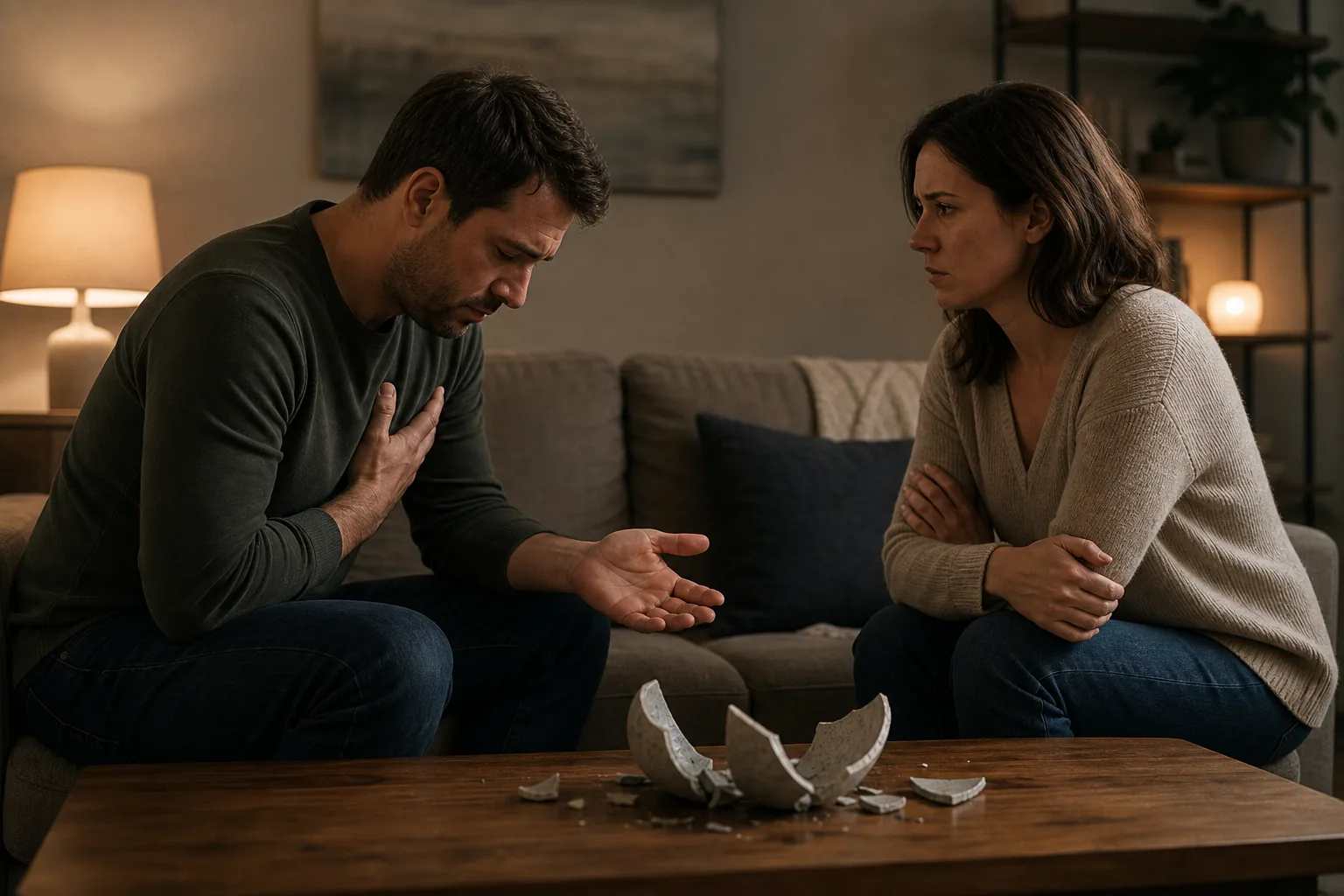
Abby Medcalf stresses that accountability is non‑negotiable; without it, trust cannot be rebuilt.
Start by naming what you did, why it happened, and how you plan to change. Avoid blame‑shifting or minimizing the impact.
Caveat: Pure apology without concrete changes can look empty; pair it with actions like sharing schedules or passwords.
.
6. Reestablish Trust — use consistent transparency if you stay together
Transparency means sharing digital passwords, calendars, and plans without prompting. It suits couples who have decided to work through the affair.
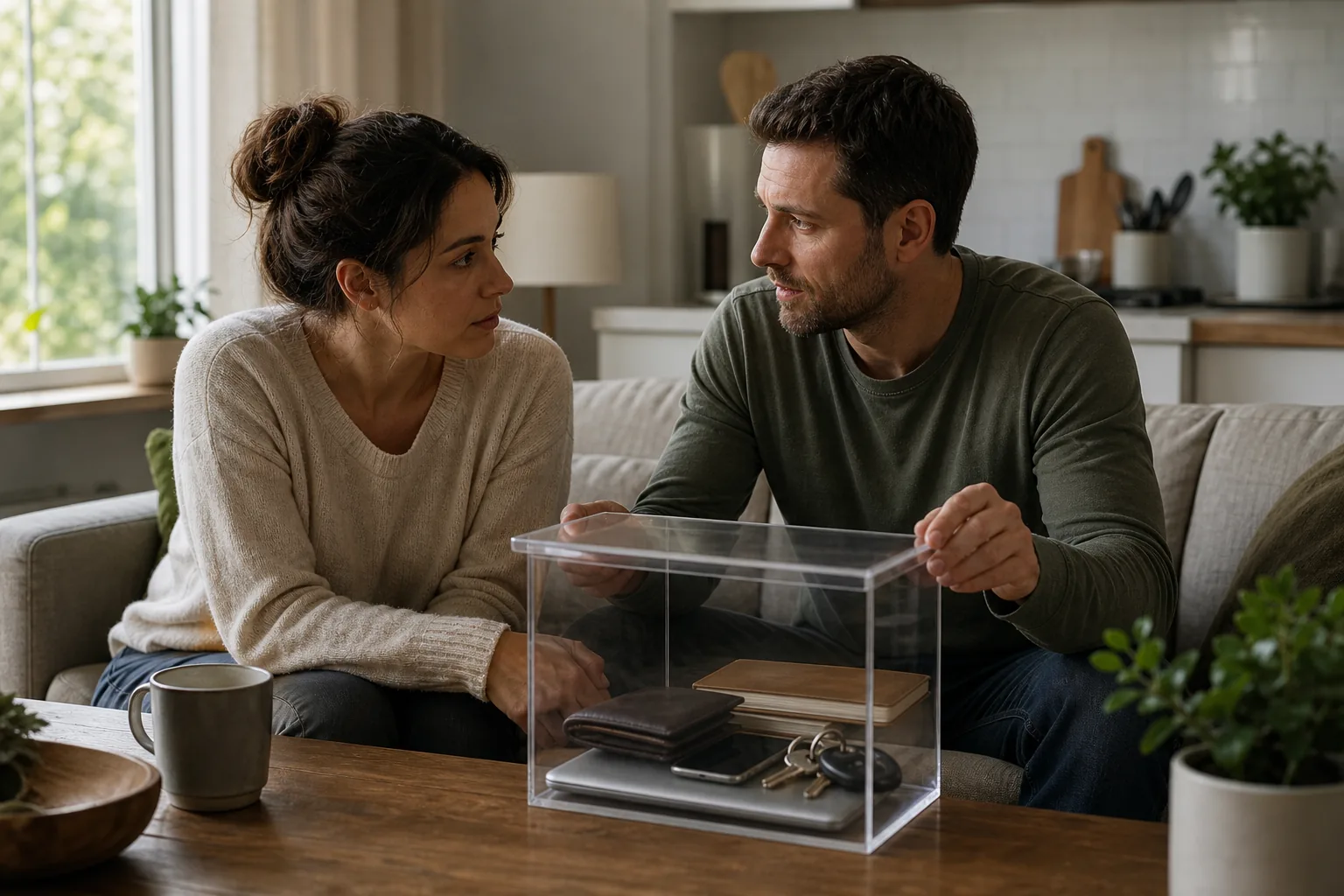
Sharing digital passwords can be a concrete step toward openness.
Transparency should be paired with respectful communication; otherwise it can feel like surveillance.
Beware: Too much oversharing can erode personal boundaries, so set limits that both partners agree on.
Comparison: Which relationship tip fits your situation?
| Tip | Best For | Key Benefit | Potential Pitfall |
|---|---|---|---|
| DatingAdvice.com | Anyone needing a reliable knowledge base | All‑in‑one expert guidance | General advice may lack personal nuance |
| Don’t Rush a Decision | Those feeling impulsive | Prevents rash choices | Too much distance can cause abandonment feelings |
| Reach out for Support | People who isolate | Reduces rumination | Risk of leaning on the wrong confidant |
| Therapist | Couples or individuals seeking professional help | Structured healing framework | Finding the right therapist can be time‑consuming |
| Be Accountable | Cheating partners | Builds credibility | Empty apologies if not backed by action |
| Reestablish Trust | Couples staying together | Creates visible transparency | May feel invasive if not balanced |
FAQ
How soon should I talk to my partner after cheating?
You should talk as soon as you’re calm enough to share facts without blame. Early honesty limits speculation and sets a tone of openness.
Is couples therapy worth it if we plan to break up?
Therapy can still help you process emotions and end the relationship on healthier terms. It gives both partners tools to communicate respectfully even when parting.
What if my partner refuses to share passwords?
Respect their boundary but explain why transparency matters to you. Offer a compromise, like sharing schedules, to build trust step by step.
Can I recover trust on my own without a therapist?
You can make progress with self‑help books and honest self‑reflection, but professional guidance often speeds up recovery and prevents blind spots.
Should I stay friends with the person I cheated with?
Staying friends usually adds confusion and can reopen wounds. Cutting contact helps both partners focus on rebuilding their own bond.
Pick the tip that matches where you are right now, and start taking small, honest steps. If you want a trusted guide to walk you through each move, explore the resources on DatingAdvice.com.